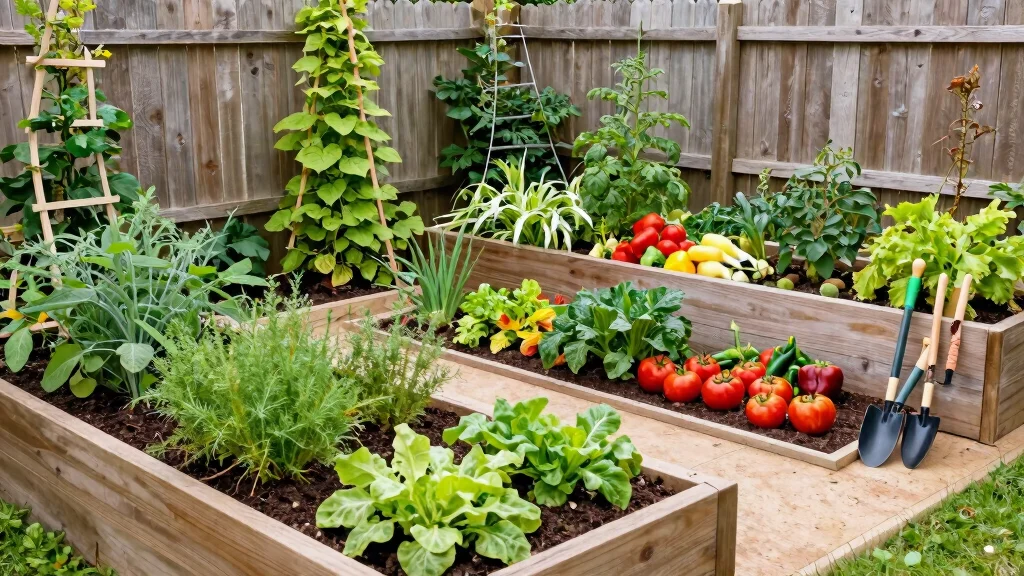
Creating a beautiful and productive kitchen garden can feel like a daunting task, but it doesn’t have to be. As I’ve explored different ways to cultivate fresh herbs and veggies, I’ve been inspired to share some of the best kitchen garden layout ideas. This post is for anyone eager to grow their own food, whether you’re a novice gardener or a seasoned pro looking to spice up your space.
If you love the idea of a lush garden that not only looks good but also yields delicious produce, you’re in the right place. From vertical gardens that fit snugly into tiny urban spaces to raised beds that give your garden a polished look, I’ve gathered 12 layout ideas that are both practical and aesthetically pleasing. You’ll find tips on companion planting, edible landscaping, and other innovative urban gardening solutions. With these ideas, your garden can become a functional oasis of greenery right outside your door.
Let’s dive in and discover how you can transform your kitchen garden dreams into a reality, creating a space that is as beautiful as it is productive.
Key Takeaways
– Vertical Tower Gardens: Maximize your gardening space by growing upwards, perfect for small backyards or patios. This layout not only saves space but also adds a unique visual element to your garden.
– Raised Bed Gardening: Combining style and functionality, raised beds offer improved drainage and soil quality. They can be designed to suit your aesthetic while allowing for easy access to your plants.
– Companion Planting: Learn about planting compatible plants together for natural pest control and enhanced growth. This method creates a thriving ecosystem in your garden while minimizing the need for chemicals.
– Edible Landscaping: Integrate fruits, vegetables, and herbs into your landscape design for a beautiful and productive space. This approach enhances your outdoor aesthetics while providing fresh produce.
– Community Gardens: Connect with your neighbors by participating in or starting a community garden. It fosters a sense of belonging and teamwork while sharing the joys and benefits of gardening.
Recommended Products

SAVE FLOOR SPACE - Stackable vertical planter tower

Space-Saving : This strawberry planter maximizes your gardening space by stacking 5 layers to grow more plants in a compact area. The strawberry tower planter is ideal for patios, balconies, or indoor use
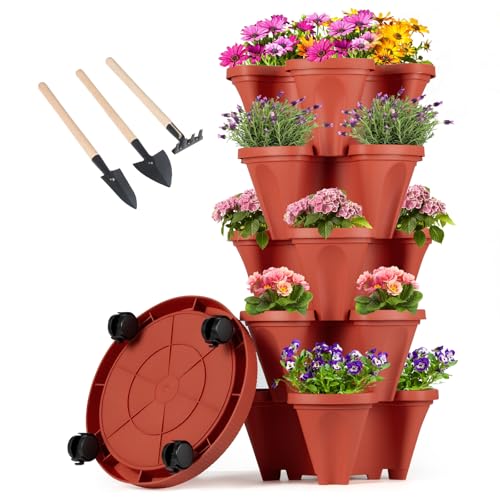
SAVE FLOOR SPACE - Stackable vertical planter tower
1. Vertical Tower Gardens – Maximize Space!
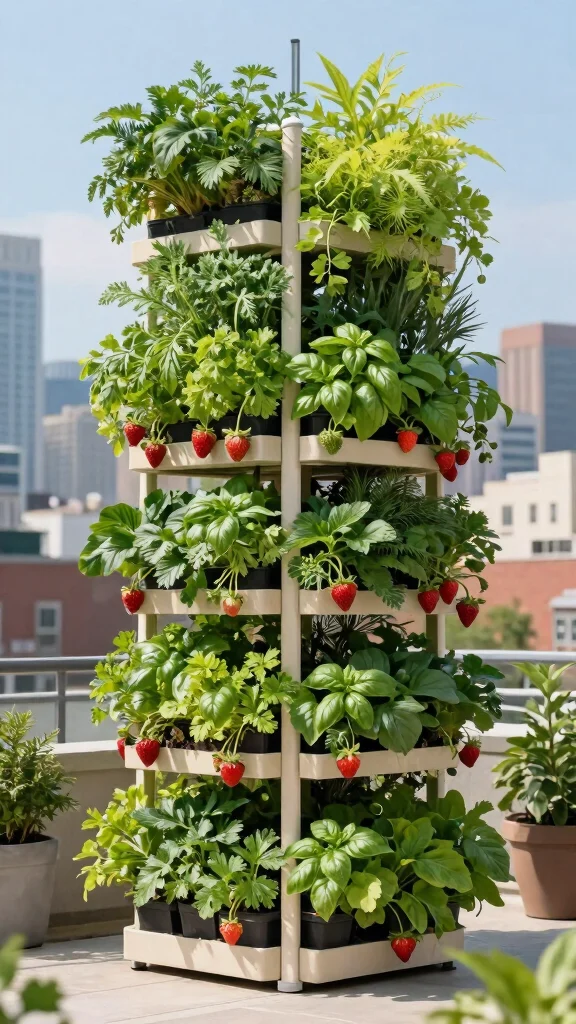
Are you looking to grow fresh greens but short on space? Vertical tower gardens are the perfect solution, allowing you to cultivate a variety of plants without taking up valuable ground area. These innovative structures can be crafted from materials like PVC pipes or specialized planters, making them not only practical but also visually appealing.
With efficient water usage and easy harvesting, you can grow everything from vibrant herbs to sweet strawberries right in your home. Enjoy the beauty and bounty of your garden while keeping it compact and manageable.
Ingredients:
– 2-3 vertical planters
– Organic potting soil
– Seeds or seedlings of your choice (herbs, strawberries, etc.)
– Water
Instructions:
1. Assemble your vertical planters according to the instructions.
2. Fill each planter with organic potting soil.
3. Plant your seeds or seedlings in the soil, ensuring they have enough space.
4. Water the plants thoroughly and place the tower in a sunny spot.
5. Monitor water levels and provide additional nutrients as needed.
FAQs:
– Can I use recycled materials? Yes, just ensure they are safe for plants.
– Can I grow larger vegetables? Choose dwarf varieties that fit your tower.
Did you know a vertical tower garden can multiply your leafy greens by 2–3x per square foot? These sleek pillars let you stack herbs, lettuce, and berries without sacrificing floor space—it’s a kitchen garden layout magic in small spaces.
Recommended Products

Professional brown raised metal garden bed size: 4×2×1 ft, 7cubic feet, you can grow vegetables, fruits, flowers, herbs and other plants in courtyards, yards, gardens and greenhouses.

More suitable raised garden bed size and Volume:67"L x 20"W x10"H, 7 Cu. Ft. You can cultivate plants, like vegetables, flowers, herbs in your patio, yard, garden, and greenhouse.

BEGIN YOUR GARDEN JOURNEY: This 8x4x1ft galvanized raised garden bed has all the needs in gardening! Thickened sheets and durable structure build a ideal environment for vegetables or plants. Also there are multiple sizes and colors you can choose to fit your gardens!
2. Raised Bed Gardening – Stylish and Functional
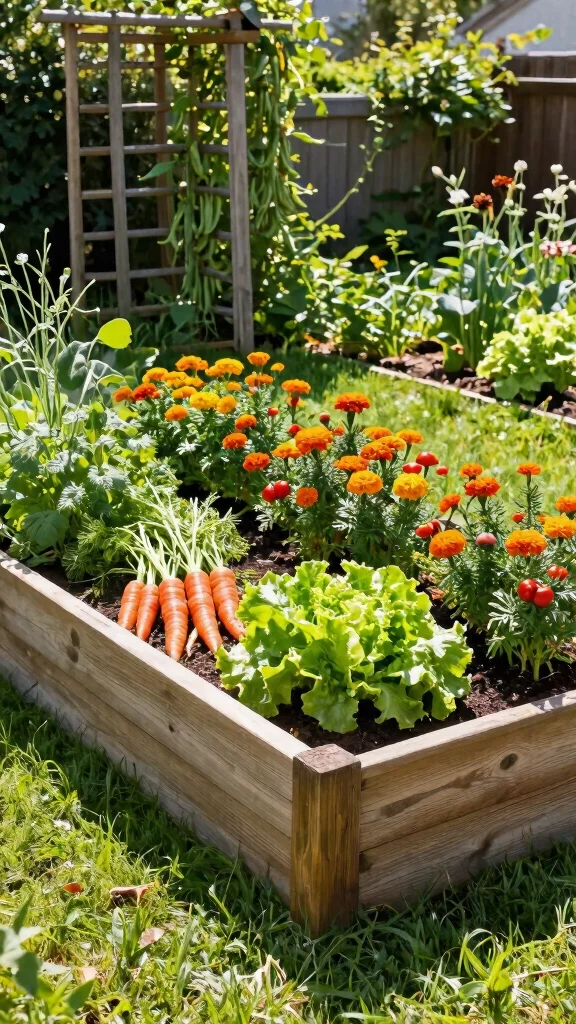
Do you want to combine beauty with functionality in your garden? Raised beds are a fantastic way to create an attractive space while ensuring your plants thrive. These beds can be made from a variety of materials such as wood, stone, or metal, and they offer excellent drainage for healthier plants.
Not only do raised beds make gardening easier, but they also provide a stunning visual element to your outdoor area. Imagine a colorful mix of flowers and vegetables that delights the senses while being practical for your kitchen needs.
Ingredients:
– 4 wooden planks (for the frame)
– Soil mix (compost, topsoil, and peat)
– Seeds or seedlings for planting
– Mulch (optional)
Instructions:
1. Construct your raised bed frame using the wooden planks.
2. Fill the frame with a soil mix, ensuring it’s well-aerated.
3. Plant your seeds or seedlings, spacing them according to their needs.
4. Water the plants gently and add mulch to retain moisture.
5. Monitor growth and adjust watering as necessary.
FAQs:
– Can I use treated wood? It’s best to avoid treated wood to prevent chemical leaching.
– Can I grow flowers alongside vegetables? Yes, companion planting can enhance growth and deter pests.
Recommended Products


3. Companion Planting – Nature’s Best Friends
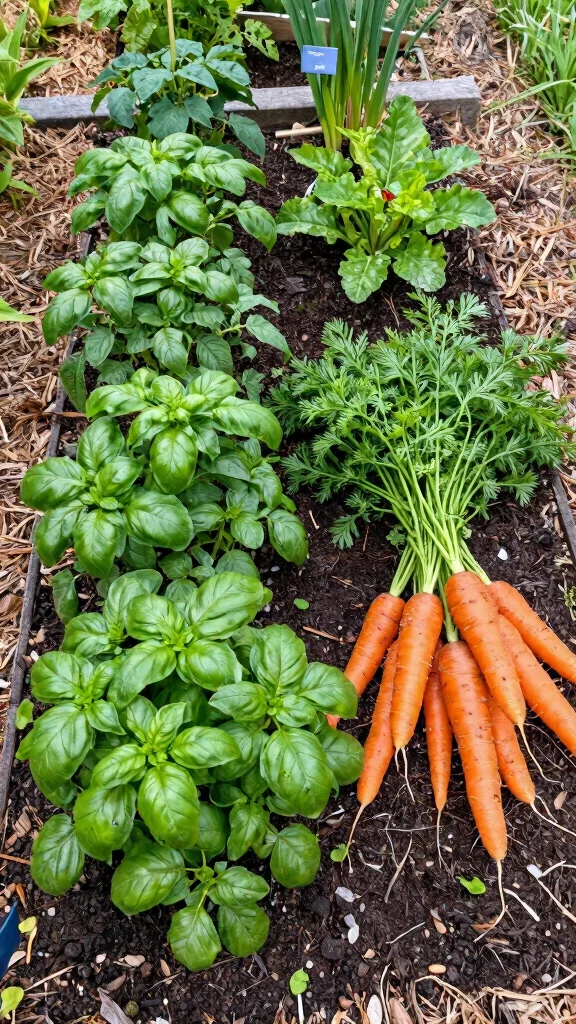
Are you eager to boost your garden’s productivity naturally? Companion planting is a smart method to maximize your harvest by pairing plants that benefit each other. For instance, tomatoes and basil thrive together, enhancing each other’s flavors while deterring pests.
This technique not only improves growth but also enriches the soil, fostering a healthier garden ecosystem. It’s a simple yet effective way to cultivate a vibrant and productive kitchen garden.
Ingredients:
– Seeds or seedlings of compatible plants (tomatoes, basil, carrots, etc.)
– Compost for enriching the soil
– Mulch for moisture retention
Instructions:
1. Prepare your garden bed with compost for nutrient-rich soil.
2. Plan your planting layout based on companion pairs.
3. Sow seeds or plant seedlings according to your plan.
4. Water the plants well and apply mulch to keep the soil moist.
5. Monitor growth and make adjustments as needed.
FAQs:
– Can I plant anything together? Some plants may compete for nutrients, so research pairings first.
– Can I use this method in containers? Yes, companion planting works well in both beds and containers.
Recommended Products


FOR USE: Ideal for raised garden beds and outdoor containers.

ORGANIZED 10 GRID PLANTING: Modular raised garden bed planter with 10 individual growing compartments keeps herbs vegetables flowers separated for easier crop rotation gardening includes plant markers liners ideal for patio balcony backyard herb garden
4. Vertical Wall Gardens – A Stylish Living Art
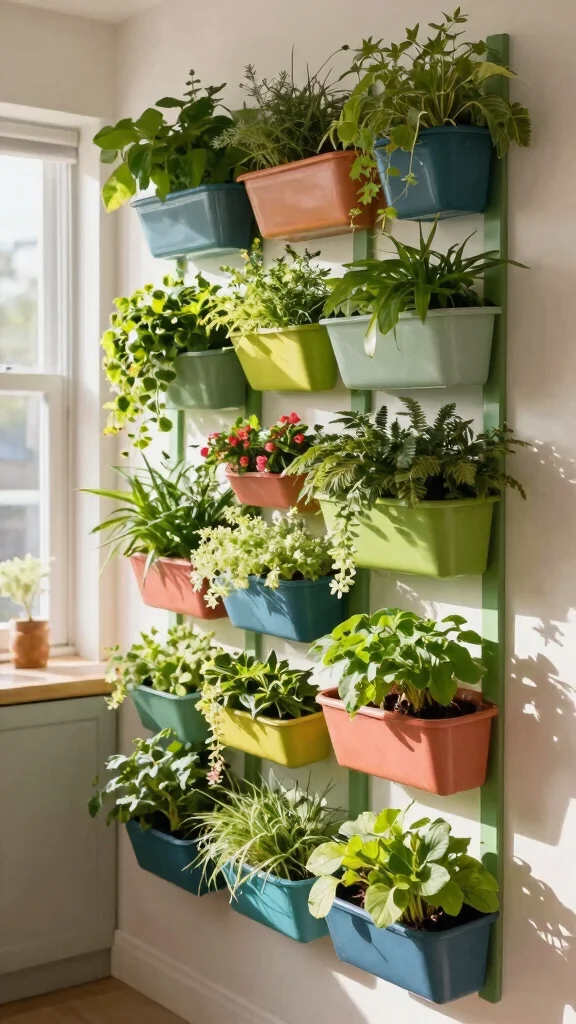
Are your walls begging for some green? Vertical wall gardens turn blank spaces into stunning living art, making them perfect for any kitchen or patio. You can grow a variety of plants, including herbs and flowers, using wall-mounted planters or repurposed pallets for a unique look.
This method maximizes vertical space and adds a vibrant touch to your home while making fresh herbs easily accessible for cooking. It’s a great way to beautify your environment while enjoying the benefits of gardening.
Ingredients:
– Wall-mounted planters or fabric pockets
– Potting soil
– Seeds or seedlings of your choice (herbs, flowers)
– Water
Instructions:
1. Install planters securely on your chosen wall.
2. Fill each planter with potting soil.
3. Plant your seeds or seedlings, ensuring they have room to grow.
4. Water thoroughly and check for drainage.
5. Position the garden in a sunny area for optimal growth.
FAQs:
– Can I use any wall? Ensure the wall receives adequate sunlight.
– Can I mix plants? Yes, a variety of plants can create a stunning visual effect.
Recommended Products

DIMENSIONS: 32. 3 in. L x 14. 7 in. W x 30. 7 in. H

【 Vertical Raised Garden Bed with Trellis】Perfect for home gardening lovers, this herb planter outdoor with 4 garden boxes let you plant vegetables, herbs, and flowers in separate plant bed while the 11-inch trellis supports climbing plants like tomatoes, strawberries, vines, and peppers. The balcony raised garden beds outdoor with legs creates an optimal environment for your plants to thrive.

5. Container Gardening – Versatile and Mobile
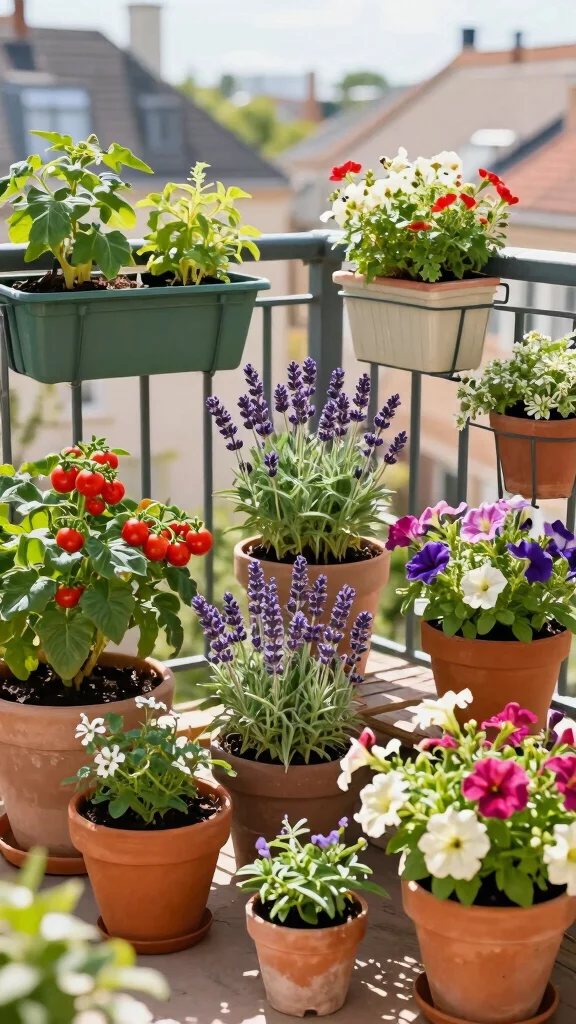
Are you struggling with limited gardening space? Container gardening is an excellent solution that allows you to grow plants virtually anywhere! By using pots, hanging baskets, or even repurposed containers, you can create a charming kitchen garden layout that suits your style.
This versatile approach gives you the flexibility to move plants around for optimal sunlight and can add vibrant colors to patios or balconies without the need for extensive garden beds.
Ingredients:
– Various containers (pots, baskets, etc.)
– Quality potting mix
– Seeds or seedlings for herbs, vegetables, or flowers
– Water
Instructions:
1. Choose containers that have drainage holes.
2. Fill each container with high-quality potting mix.
3. Plant your seeds or seedlings, spacing them appropriately.
4. Water thoroughly and place in a sunny location.
5. Rotate containers as needed to ensure even sunlight exposure.
FAQs:
– Can I use old containers? Yes, just ensure they are clean and safe for plants.
– Can I grow large vegetables in containers? Dwarf varieties work best for limited space.
Recommended Products

SAVE FLOOR SPACE - Stackable vertical planter tower

SAVE FLOOR SPACE - Stackable vertical planter tower

High-quality Product: Thick, high-quality PP materials can be used repeatedly without fading, not easy to crack even in summer; Suitable for garden or indoor use
Key Trade-offs & Our Top Pick
Vertical Tower Gardens
– Pros:
– Space-efficient: These gardens are perfect for small areas like balconies or patios.
– Variety: You can grow a wide range of plants in a compact space, from herbs to leafy greens.
– Easy maintenance: Many designs are easy to water and harvest, reducing back strain.
– Cons:
– Initial cost: They can be pricier than traditional garden plots.
– Limited root space: Some plants may not thrive due to restricted root growth.
– Requires regular monitoring: They can dry out faster than ground-level gardens.
– Best for: Urban gardeners looking to maximize vertical space and grow a variety of plants in a limited area.
Raised Bed Gardening
– Pros:
– Improved soil drainage: Raised beds promote better drainage, which can prevent root rot.
– Pest control: They can deter some garden pests and make it easier to manage soil quality.
– Customizable: You can control the size and depth to suit your needs and preferences.
– Cons:
– More effort to set up: Building or buying raised beds requires more initial work and investment.
– Potential for soil overheating: In hot climates, raised beds may heat up too quickly, stressing plants.
– Limited space for deep-rooted crops: Some plants may struggle due to shallower soil compared to in-ground gardens.
– Best for: Gardeners who want better control over soil quality and drainage, especially in areas with poor native soil.
Container Gardening
– Pros:
– Flexibility: You can easily move containers to optimize sunlight exposure and aesthetics.
– Perfect for small spaces: Ideal for apartments or patios with limited garden space.
– Great for beginners: Easy to manage, making it a good choice for novice gardeners.
– Cons:
– Watering needs: Containers can dry out quickly, requiring more frequent watering.
– Limited plant size: Some plants may outgrow their containers, leading to stunted growth.
– Soil quality: Poor-quality soil could lead to nutrient deficiencies.
– Best for: Beginners or those with limited space who still want to grow herbs, vegetables, or flowers.
Vertical Wall Gardens
– Pros:
– Stunning aesthetics: They create a beautiful living wall that enhances any space.
– Space-saving: Ideal for tiny areas where traditional gardens aren’t practical.
– Air quality improvement: Plants can help purify the air in your home or office.
– Cons:
– Higher maintenance: Requires regular care to ensure plants thrive in vertical conditions.
– Initial setup costs: Setting up a vertical garden can be expensive due to materials and plants.
– Limited plant choices: Not all plants are suitable for vertical growing systems.
– Best for: Those who want an artistic, green addition to their living space while still growing plants.
Expert Recommendation:
Best Overall: Raised Bed Gardening
Raised bed gardening emerges as the top choice for many aspiring gardeners. This layout provides an excellent balance of practicality and aesthetics. It allows you to cultivate a wide range of plants while ensuring that the soil is well-drained and manageable. The customization options available mean you can adapt your garden to fit your personal style and space. Plus, it promotes a healthier growing environment for your plants over the long term.
Why We Picked This:
While raised bed gardening shines as the overall choice, others may prefer vertical gardens for their visual appeal or container gardening for its portability. Vertical tower gardens are perfect for those with very limited space, while raised beds are ideal for serious gardeners aiming for productivity. Choose based on your available space, desired maintenance level, and personal gardening goals!
Recommended Products

Raised Garden Bed - Add a new level of convenience to your gardening experience with the Galvanized Raised Garden Bed. Enjoy expanded yield and a more assembled garden layout with this garden accessory, each sized at 120 cm X 60 cm x 30 cm.

Ergonomic Height: Standing at 30 inches tall, it reduces strain from bending and kneeling, promoting more comfortable gardening.

All-in-One Garden Bed System: Includes the raised garden bed, automatic irrigation system, and raised mesh cover. It allows you to start growing quickly on patios or backyards. No extra tools are required, and it is ready to use out of the box
6. Edible Landscaping – Beauty Meets Functionality
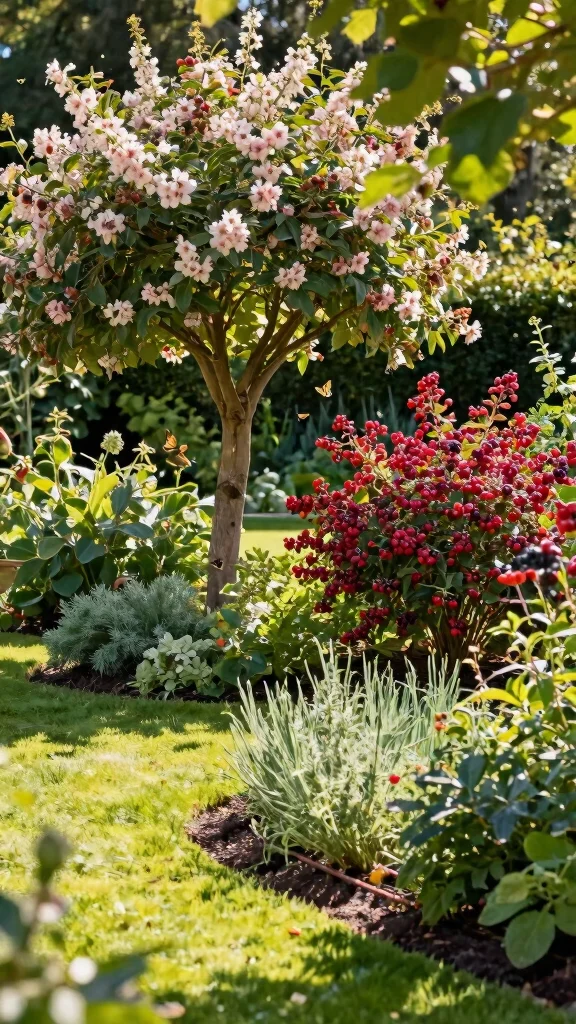
Are you ready to combine beauty with practicality in your garden? Edible landscaping lets you create a stunning landscape with plants that are not only beautiful but also delicious! Imagine fruit trees and berry shrubs seamlessly integrated into your yard, providing both aesthetic appeal and fresh produce.
This approach enhances your home’s charm while attracting beneficial insects and pollinators, making your garden a thriving ecosystem.
Ingredients:
– Fruit trees (apple, cherry)
– Berry shrubs (blueberries, raspberries)
– Herbaceous plants (lavender, thyme)
– Soil for planting
Instructions:
1. Plan your layout, mixing edible and ornamental plants.
2. Prepare the soil for planting as needed.
3. Plant trees and shrubs, ensuring they have room to grow.
4. Water regularly and mulch around the base for moisture retention.
5. Monitor for pests and enjoy the beauty and bounty of your landscape.
FAQs:
– Can I mix edible and non-edible plants? Yes, this creates a diverse and attractive garden.
– Do I need special care for edible plants? They may require specific attention to pests and diseases.
Recommended Products
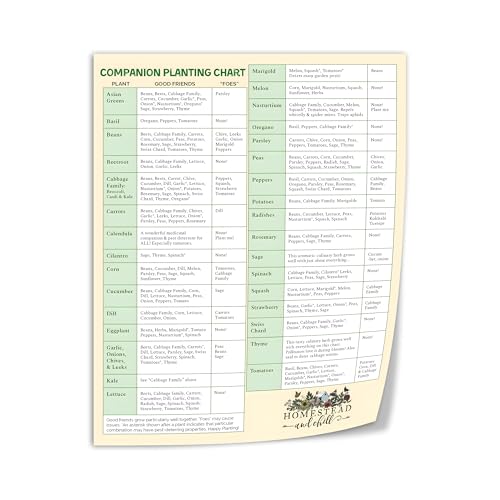
COMPREHENSIVE GUIDE: Features a detailed companion planting chart showing compatible and incompatible plant combinations for optimal garden planning and pest control


7. Hydroponic Systems – Grow Without Soil!
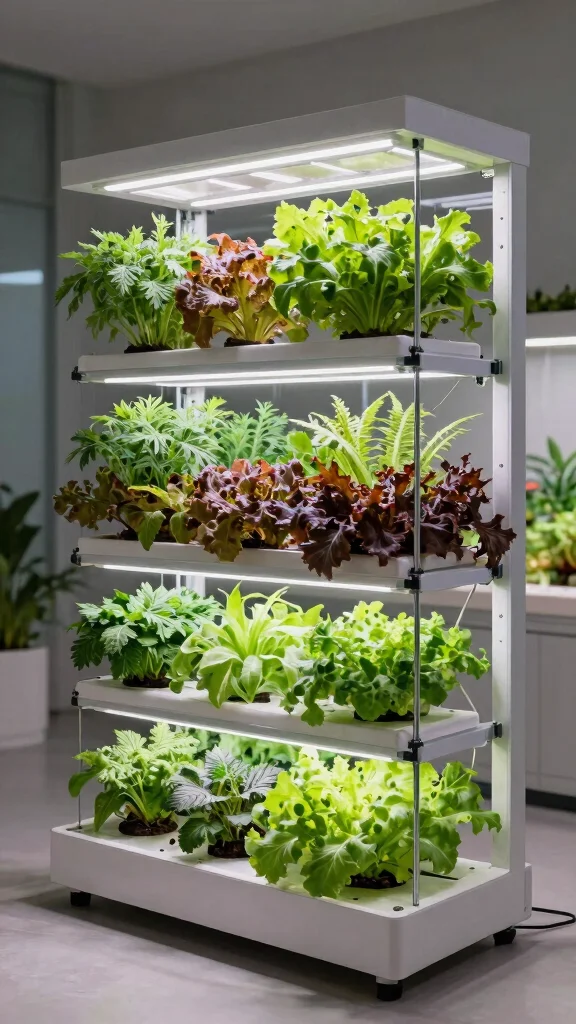
Are you intrigued by the idea of growing plants without soil? Hydroponic gardening allows you to cultivate greens using nutrient-rich water instead, making it ideal for small spaces. This innovative method can be set up in various configurations, from vertical systems to simple containers, ensuring you can enjoy fresh produce all year round.
Hydroponics is known for its faster growth rates and higher yields, making it a favorite among urban gardeners looking to maximize their space and resources.
Ingredients:
– Hydroponic system kit (towers, containers)
– Nutrient solution
– Seeds or seedlings (lettuce, herbs)
– Water
Instructions:
1. Set up your hydroponic system according to the manufacturer’s instructions.
2. Fill the system with water and add the nutrient solution.
3. Plant your seeds or seedlings in the designated spots.
4. Monitor water levels and nutrient concentration regularly.
5. Enjoy watching your plants grow without soil!
FAQs:
– Can I use regular soil plants? No, hydroponics requires soil-less varieties.
– Is it hard to maintain? Regular monitoring of water and nutrients is key, but it’s manageable.
Did you know hydroponic greens can grow up to 50% faster and use 90% less water than traditional soil methods? With vertical setups and simple containers, you can harvest fresh leaves year-round in a small kitchen corner.
Recommended Products
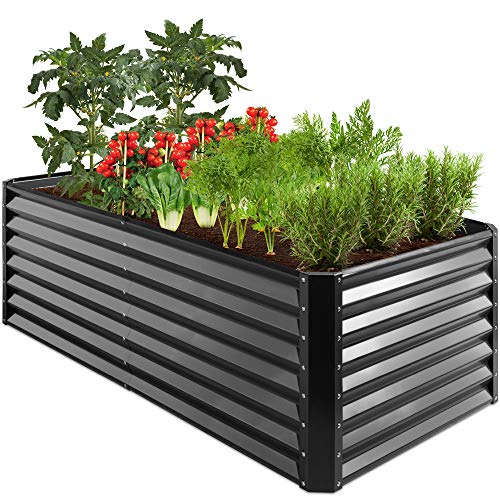
2FT GROWING DEPTH: 24 inches of depth holds up to 269 gallons of soil-great for medium to deep rooting plants and vegetables like broccoli, beans, and more; Note: This product does not include a bottom panel

8. Straw Bale Gardening – Eco-Friendly and Effective
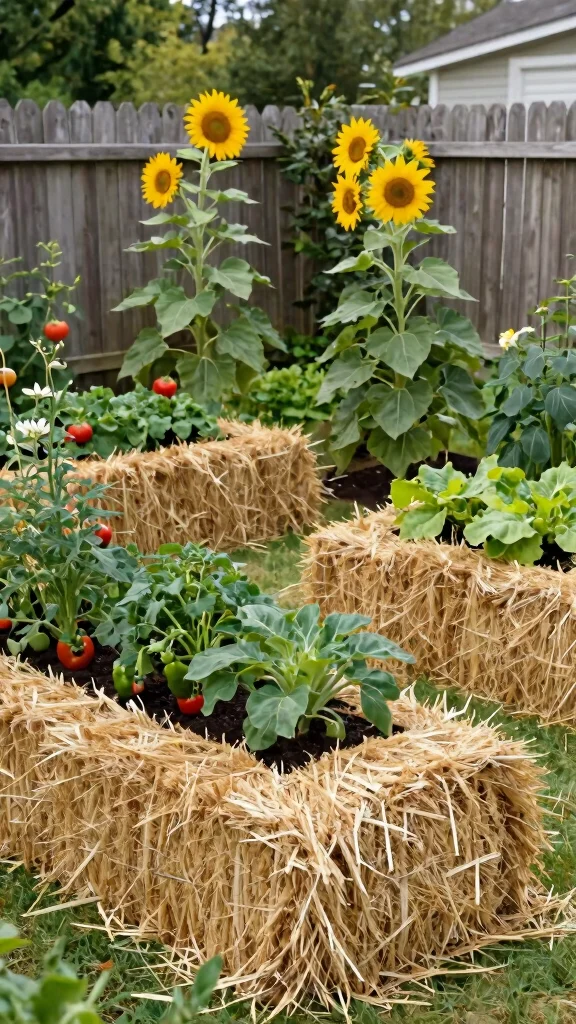
Are you looking for an eco-friendly way to garden? Straw bale gardening is a unique method that utilizes bales of straw as growing containers. As the bales decompose, they provide nutrients to your plants, creating a rich environment for growth without the need for traditional soil.
This method is ideal for those dealing with poor soil conditions or limited space, making gardening accessible and sustainable.
Ingredients:
– 4-6 straw bales
– Fertilizer (to kickstart decomposition)
– Seeds or seedlings of your choice
– Water
Instructions:
1. Place the straw bales in a sunny location.
2. Pre-condition the bales with fertilizer and water for a week.
3. Plant seeds or seedlings directly into the bales.
4. Water regularly and monitor growth.
5. Enjoy a low-maintenance and eco-friendly garden!
FAQs:
– Can I use old bales? Yes, as long as they are not moldy or contaminated.
– Will the bales last a season? They typically last a full growing season before needing replacement.
Recommended Products

【Solid Stability Triangular Frame】 Engineered with a heavy-duty triangular metal frame and dual-column construction, this vertical gardening system outperforms flimsy single-pole stands. The reinforced joints and crossbar supports prevent swaying - even when fully loaded with soil and climbing plants like tomatoes or ivy. Perfect for outdoor vegetable planters or vertical indoor gardens.


15 HEIRLOOM SEED PACKS - Basil (Ocimum basilicum), Chives (Allium schoenoprasum), Red Russian Kale (Brassica napus), 3 Lettuce types (Lactuca sativa), Nasturtium (Tropaeolum majus), White Onion (Allium fistulosum), Pak Choi & Tatsoi (Brassica rapa), Parsley (Petroselinum crispum), Radish (Raphanus sativus), Alpine Strawberry (Fragaria vesca), Swiss Chard (Beta vulgaris), Thyme (Thymus vulgaris)
9. The Square Foot Gardening Method – Simplified Gardening
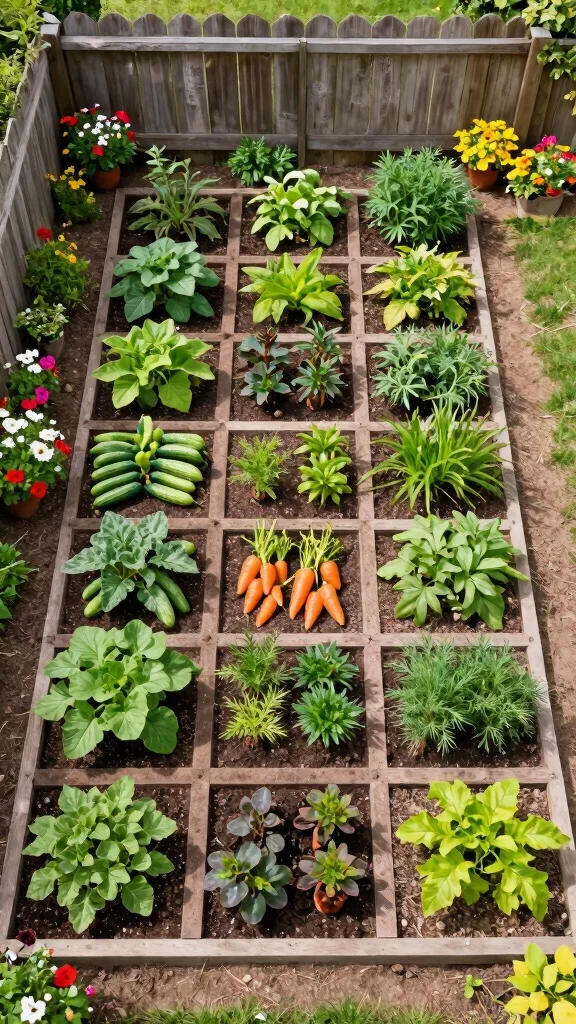
Are you overwhelmed by traditional gardening methods? The square foot gardening method simplifies the process by dividing your garden into manageable square sections. This technique maximizes space and minimizes weeds, allowing you to grow a variety of plants with ease.
Each square can be planted with different crops, making it simple to plan rotations and keep your soil healthy. It’s an efficient way to maintain a productive kitchen garden without the stress.
Ingredients:
– Wooden boards (for the grid)
– Soil mix (compost, peat, vermiculite)
– Seeds or seedlings for various plants
– Water
Instructions:
1. Create a grid layout using wooden boards to define squares.
2. Fill each square with a nutrient-rich soil mix.
3. Plant seeds or seedlings according to your plan.
4. Water the garden thoroughly and monitor growth.
5. Rotate crops in each square for optimal soil health.
FAQs:
– Can I plant anything in square foot gardens? Yes, but be mindful of space requirements for each plant.
– Is this method suitable for beginners? Absolutely! It’s a straightforward approach to gardening.
10. Permaculture Principles – Sustainable Gardening
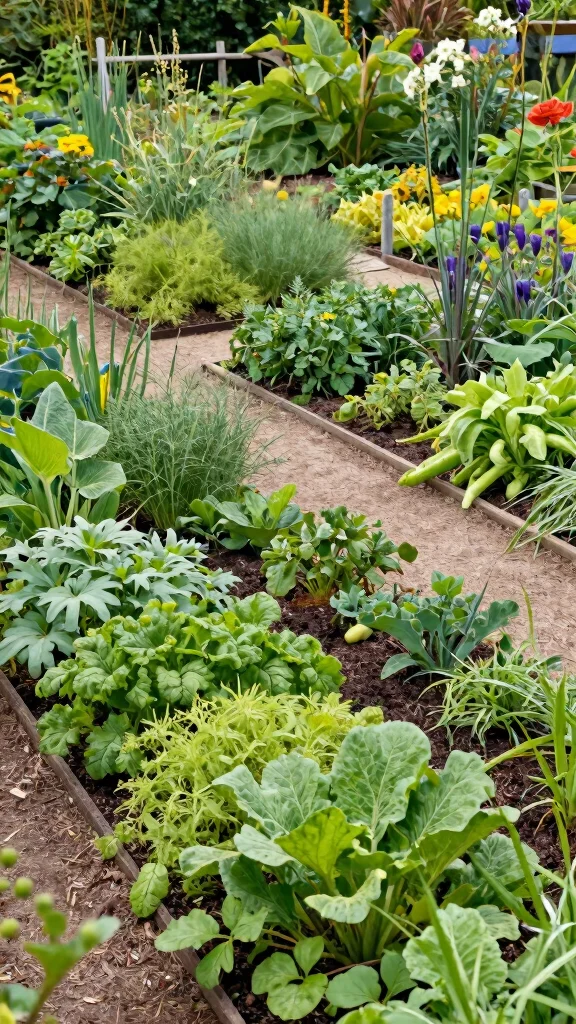
Are you interested in sustainable gardening practices? Permaculture focuses on creating a self-sufficient ecosystem that maximizes productivity while reducing waste. By following permaculture principles, you can design a kitchen garden that works harmoniously with nature, using techniques like mulching and companion planting.
This approach fosters biodiversity and promotes a healthy environment, ensuring your garden thrives over time while being easy to maintain.
Ingredients:
– Native plants for the ecosystem
– Organic mulch
– Compost for soil enrichment
– Seeds or seedlings for planting
Instructions:
1. Plan your garden layout, incorporating diverse plant species.
2. Prepare soil with compost and mulch to retain moisture.
3. Plant seeds or seedlings to create a balanced ecosystem.
4. Monitor plant health and adjust care as necessary.
5. Enjoy the beauty and productivity of your permaculture garden!
FAQs:
– Can I start small with permaculture? Yes, even a small garden can practice permaculture principles.
– Is it labor-intensive? Once established, permaculture gardens require less maintenance than traditional gardens.
11. Community Gardens – Grow Together!
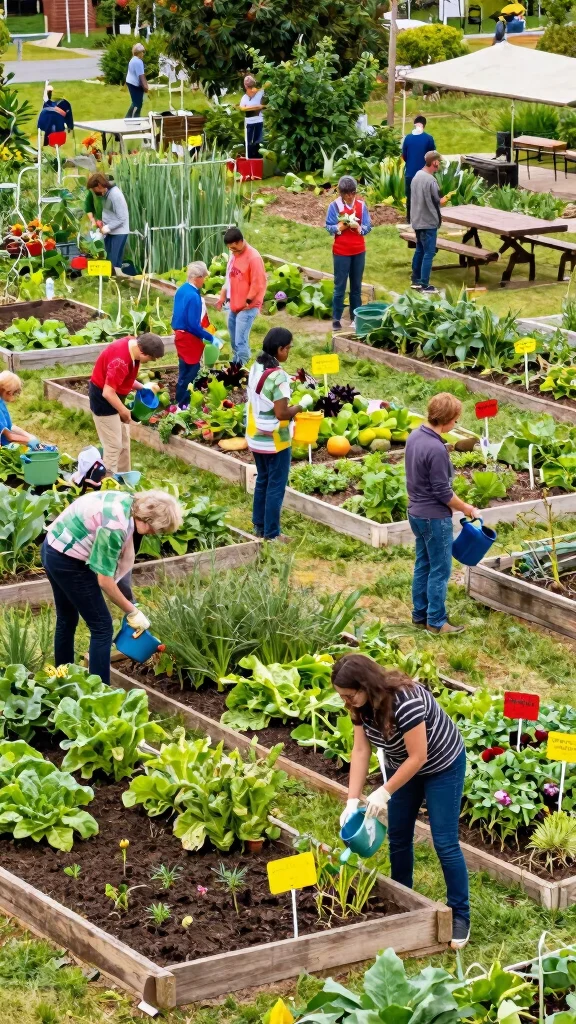
Are you looking to connect with your neighbors while growing fresh produce? Community gardens are an excellent way to cultivate shared spaces, fostering collaboration and camaraderie among participants. These gardens not only provide access to fresh food but also create a sense of community ownership and responsibility.
By working together, you can share resources and knowledge, making gardening a fun and rewarding experience for everyone involved.
Ingredients:
– Designated garden space
– Seeds or seedlings for planting
– Tools for maintenance (shovels, watering cans)
– Community guidelines for participation
Instructions:
1. Establish a community agreement on land use and responsibilities.
2. Plan your garden layout collaboratively.
3. Plant seeds or seedlings as a group.
4. Schedule regular maintenance days to care for the garden.
5. Celebrate your harvest together with a community gathering!
FAQs:
– Can anyone join a community garden? Yes, most community gardens welcome everyone interested.
– How do we divide the harvest? Establish guidelines for sharing produce among members.
12. Butterfly Gardens – Attract Pollinators
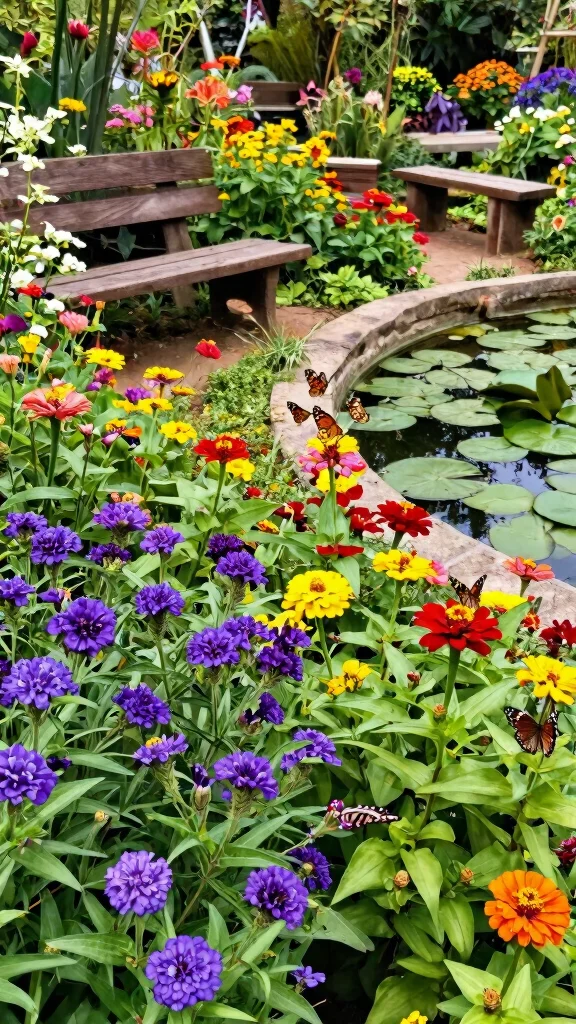
Do you want to create a beautiful garden that also supports local ecosystems? Butterfly gardens are designed to attract pollinators like butterflies and bees, which are essential for healthy plant growth. By incorporating nectar-rich flowers and host plants, you can create a vibrant space that is visually appealing and beneficial for the environment.
A butterfly garden enhances your kitchen garden while providing a serene area for relaxation and enjoyment.
Ingredients:
– Nectar-rich flowers (milkweed, coneflower)
– Host plants for caterpillars (parsley, fennel)
– Soil for planting
– Water source (birdbath or small fountain)
Instructions:
1. Choose a sunny location for your butterfly garden.
2. Prepare the soil for planting, ensuring it’s well-drained.
3. Plant a mix of flowers and host plants for butterflies.
4. Provide a water source to support wildlife.
5. Avoid pesticides to create a safe environment for pollinators.
FAQs:
– Can I plant anything in a butterfly garden? Focus on native plants that attract local butterflies.
– How long until I see butterflies? It may take time for butterflies to discover your garden, so be patient.
Butterfly gardens aren’t just pretty; they’re practical. Plant nectar-rich flowers and host plants, and you’ll invite pollinators that boost crop health and flavor in your kitchen garden.
Conclusion
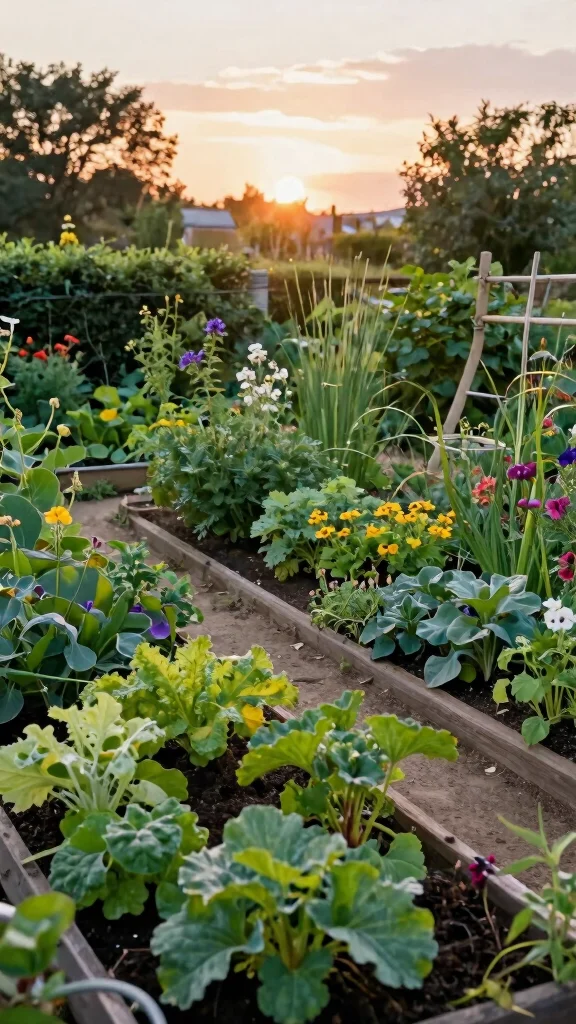
Transforming your kitchen garden into a beautiful space isn’t just about aesthetics; it’s about creating an environment that nurtures growth and productivity.
By exploring these twelve layout ideas, you can cultivate a garden that serves as both a source of fresh food and a visual delight. So grab your gardening gloves and get started on your journey to a lush, productive kitchen garden!
Note: We aim to provide accurate product links, but some may occasionally expire or become unavailable. If this happens, please search directly on Amazon for the product or a suitable alternative.
This post contains Amazon affiliate links, meaning we may earn a small commission if you purchase through our links, at no extra cost to you.
Frequently Asked Questions
What Are the Best Kitchen Garden Layout Ideas for a Space That Is As Beautiful As It Is Productive?
Your kitchen garden layout should balance beauty and harvest. Start by mapping the space, sun, and access, then mix vertical garden design with compact raised bed gardening zones. Use modular vertical planters for herbs and leafy greens and a small raised bed for roots. Choose crops with similar water and light needs and keep harvest paths clear. Embrace edible landscaping principles by selecting plants that look pretty while producing food. Plan for season extension with simple protective covers and rotate crops for ongoing productivity.
Tip: match materials and colors to create a cohesive look so your kitchen garden layout feels intentional, not cluttered, and explore urban gardening solutions like wall-mounted planters to maximize tight spaces.
How Can I Design a Vertical Kitchen Garden to Maximize a Small Urban Space?
Think tall and clever with vertical garden design. Start by assessing sun and water access, then pick a system you can reach from your kitchen for easy harvesting. Install a trellis, wall pockets, or modular vertical panels and stack crops that suit containers, such as lettuce, herbs, baby peppers, and compact tomatoes. Add a drip irrigation line or self-watering cups to reduce chores. Pair with a small container base or raised bed for soil balance. This kitchen garden layout helps you grow more in less space and proves that urban gardening solutions can be both productive and pretty.
Can I Combine Raised Bed Gardening with a Vertical Kitchen Garden Layout?
Absolutely. A hybrid approach gives you flexibility. Use a shallow raised bed for root crops or larger greens while the vertical system handles herbs and compact vegetables. Ensure drainage and soil depth are right for each zone, and use a shared irrigation plan to simplify maintenance. Integrate trellises with the raised bed edges to create a seamless look. This kitchen garden layout blends raised bed gardening with vertical garden design for maximum productivity in any space.
What Companion Planting Tips Work Best in a Vertical Kitchen Garden?
Use companion planting to boost pest control and flavor in a tight space. Pair basil with tomatoes to improve flavor and deter pests, oregano near peppers, and carrots with onions to confuse pests. Place aromatic herbs on your vertical rails for easy access and pest deterrence. Keep crops with similar water needs together and rotate beds seasonally. This kitchen garden layout benefits from companion planting tips that boost yields without chemical inputs.
How Can Edible Landscaping and Urban Gardening Solutions Be Incorporated Into a Kitchen Garden Layout?
Turn your space into edible art by combining ornamental plants with food crops. Use flowering herbs and edible flowers to attract pollinators and add color. Choose compact varieties suited for containers and vertical frames, like lettuce, kale, and strawberries. Use mulching, drip irrigation, and compact trellises to keep maintenance low. This approach aligns with edible landscaping and urban gardening solutions to create a space that looks beautiful and feeds you year round.
Related Topics
kitchen garden layout
vertical garden design
raised bed gardening
edible landscaping
urban gardening solutions
companion planting tips
space-saving gardens
beginner friendly
DIY gardening
seasonal planting
small space gardening
productive gardens